
Trump Administration Live Updates: White House Announces Sweeping New Tariffs for Much of the World In a bold move, the Trump administration has announced sweeping new tariffs targeting imports from multiple countries. This latest development marks a significant shift in U.S. trade policy and is already sending ripples through global markets.
Tariffs Target Steel, Aluminum, and More
The new tariffs focus primarily on steel and aluminum imports. However, several other sectors—including electronics, automotive parts, and agriculture—are also affected. The administration claims these measures are necessary to protect American jobs and industries.
Countries Affected by the Tariffs
The tariffs are not limited to one region. Countries in Europe, Asia, and South America will face higher import duties. Notably, China, Germany, and Brazil are among the largest trading partners impacted by these changes.
White House officials confirmed that these tariffs are part of a broader strategy to reduce the U.S. trade deficit and encourage domestic manufacturing.

President Trump’s Statement
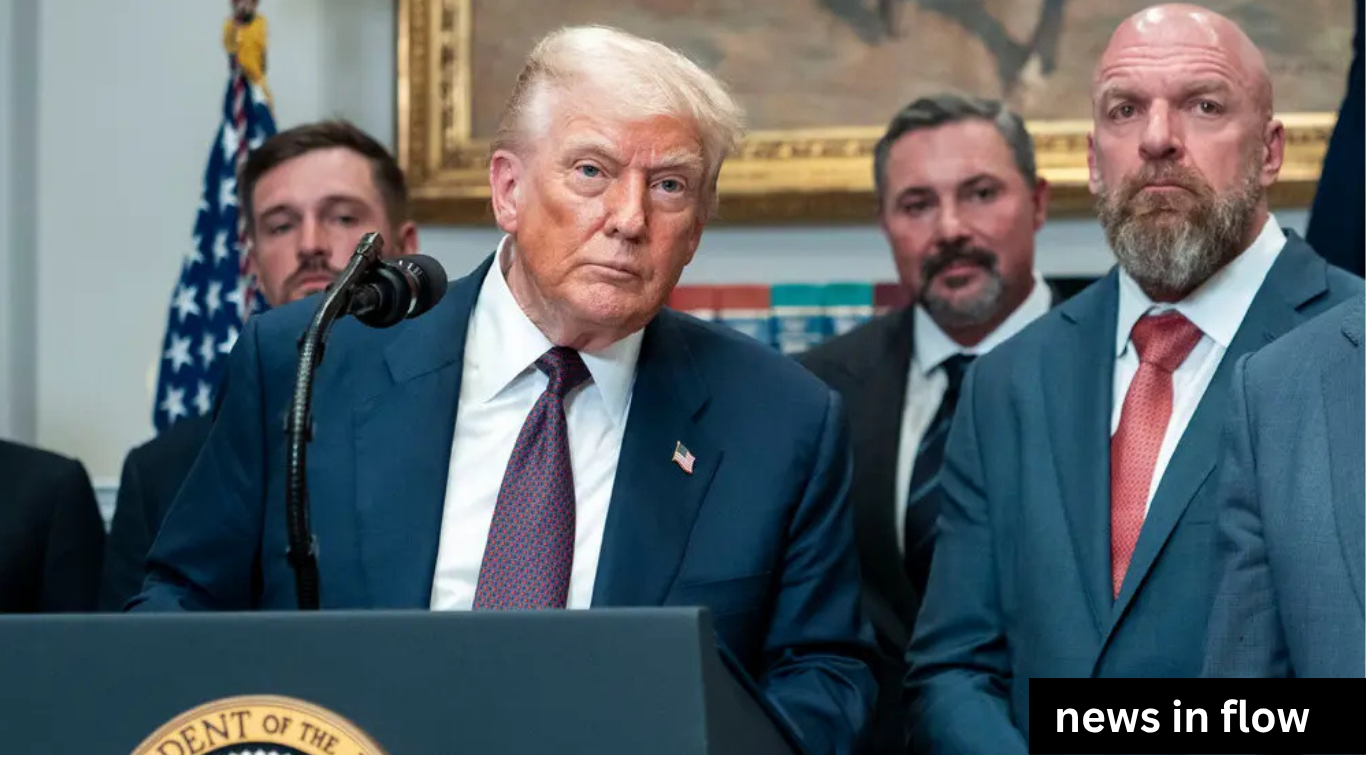
President Donald Trump addressed the nation, stating, “For too long, American industries have been taken advantage of. These tariffs are a step toward economic fairness and national security.”
He emphasized that the administration is ready to negotiate with any country willing to establish more balanced trade agreements.
Market Reactions to the Announcement
The global markets responded quickly. U.S. stock indices fell slightly, while international markets saw more dramatic declines. Economists believe the tariffs could disrupt supply chains and increase costs for businesses and consumers.
Major companies reliant on global imports are already adjusting their forecasts. Investors are watching closely for additional policy announcements or retaliatory measures from affected countries.
Political and Public Response
The decision has drawn mixed reactions from lawmakers and the public. Supporters argue that the tariffs will boost American jobs and protect critical industries. Critics warn that the move could ignite a trade war and harm global economic growth.
Industry leaders have voiced concern. Many worry that retaliatory tariffs will hurt U.S. exports, particularly in agriculture and manufacturing.

What Comes Next?
The White House has indicated that more tariffs could follow if trade negotiations stall. The administration remains firm in its stance but has left the door open for diplomatic solutions.
Trade experts suggest businesses should prepare for continued volatility. Companies may need to reevaluate supply chains, source materials domestically, or seek alternative global partners.
Conclusion
The Trump administration’s sweeping new tariffs represent a turning point in global trade. As negotiations unfold and markets react, businesses and consumers alike will feel the impact. The world is now watching to see how these bold measures reshape international commerce and political alliances.