
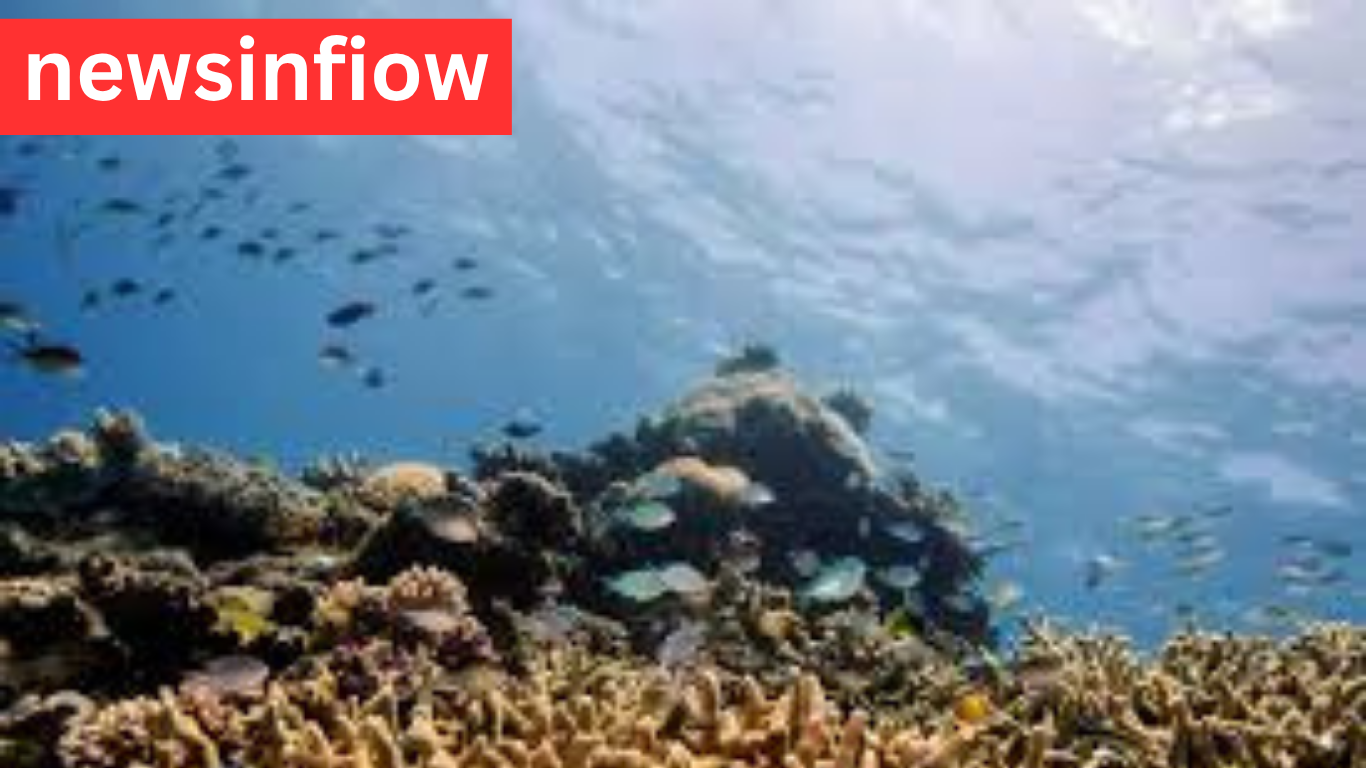
Great Barrier Reef Coral Decline Hits Record Levels After Mass Bleaching
A Natural Wonder Under Threat
The Great Barrier Reef, one of the world’s most iconic natural treasures, is facing its worst coral decline in recorded history. This alarming drop follows another severe mass coral bleaching event. Scientists and conservationists are raising the alarm as the reef continues to suffer under the strain of climate change.
What Is Coral Bleaching?
Coral bleaching happens when corals, stressed by rising sea temperatures, expel the algae living in their tissues. These algae, known as zooxanthellae, give coral their color and provide them with most of their energy. Without them, corals turn white and become vulnerable to disease and death.
In 2025, sea surface temperatures across large parts of the reef were much higher than average. This triggered the seventh mass bleaching event since 1998. Unlike previous years, this bleaching was more intense and widespread, affecting nearly every region of the reef.
Unprecedented Coral Loss
Recent surveys by marine scientists reveal that the Great Barrier Reef has lost more coral in the past year than ever before. Hard corals, which provide the backbone of the reef structure, have been particularly affected. Some areas have seen coral cover drop by more than 70%.
This loss is not only visible on the surface. Beneath the waves, entire ecosystems are collapsing. Fish populations are declining. Marine biodiversity is shrinking. The health of the reef is now critically low, with some parts unlikely to recover without urgent intervention.
Why This Matters
The Great Barrier Reef is more than just a tourist attraction. It supports over 1,500 species of fish and thousands of marine organisms. It also provides food and income for thousands of Australians through fishing and tourism.
The economic value of the reef is estimated at over $50 billion. Its ecological value is even greater. It acts as a natural barrier, protecting coastlines from storms and erosion. When coral declines, the entire marine environment suffers.
What’s Causing the Decline?
The primary cause behind the Great Barrier Reef coral decline is climate change. Rising ocean temperatures are making bleaching events more frequent and severe. Warmer seas also lead to more intense cyclones, which physically damage coral structures.
In addition, poor water quality from agricultural runoff and coastal development worsens the reef’s stress. These pollutants reduce coral resilience, making them more likely to die during heatwaves.
Can the Reef Be Saved?
Despite the grim outlook, experts believe the reef can still recover—if urgent action is taken. Reducing greenhouse gas emissions is the top priority. Without stabilizing the climate, bleaching events will only become more frequent.
Efforts are also underway to restore damaged coral areas. Scientists are experimenting with coral breeding and transplanting heat-resistant coral species. Some success has been seen in smaller test sites, offering hope for future restoration on a larger scale.
What Can You Do?
Protecting the reef requires global cooperation, but individual actions matter too. You can help by reducing your carbon footprint, supporting sustainable seafood, and spreading awareness. Every small step contributes to the bigger picture.
Looking Ahead
The Great Barrier Reef coral decline is a warning sign for the planet. It reflects the urgent need to tackle climate change and protect fragile ecosystems. While the damage is extensive, there is still time to turn the tide.
Action today can help ensure future generations can experience the beauty and wonder of the reef. But time is running out. The longer we wait, the harder it becomes to reverse the damage.