
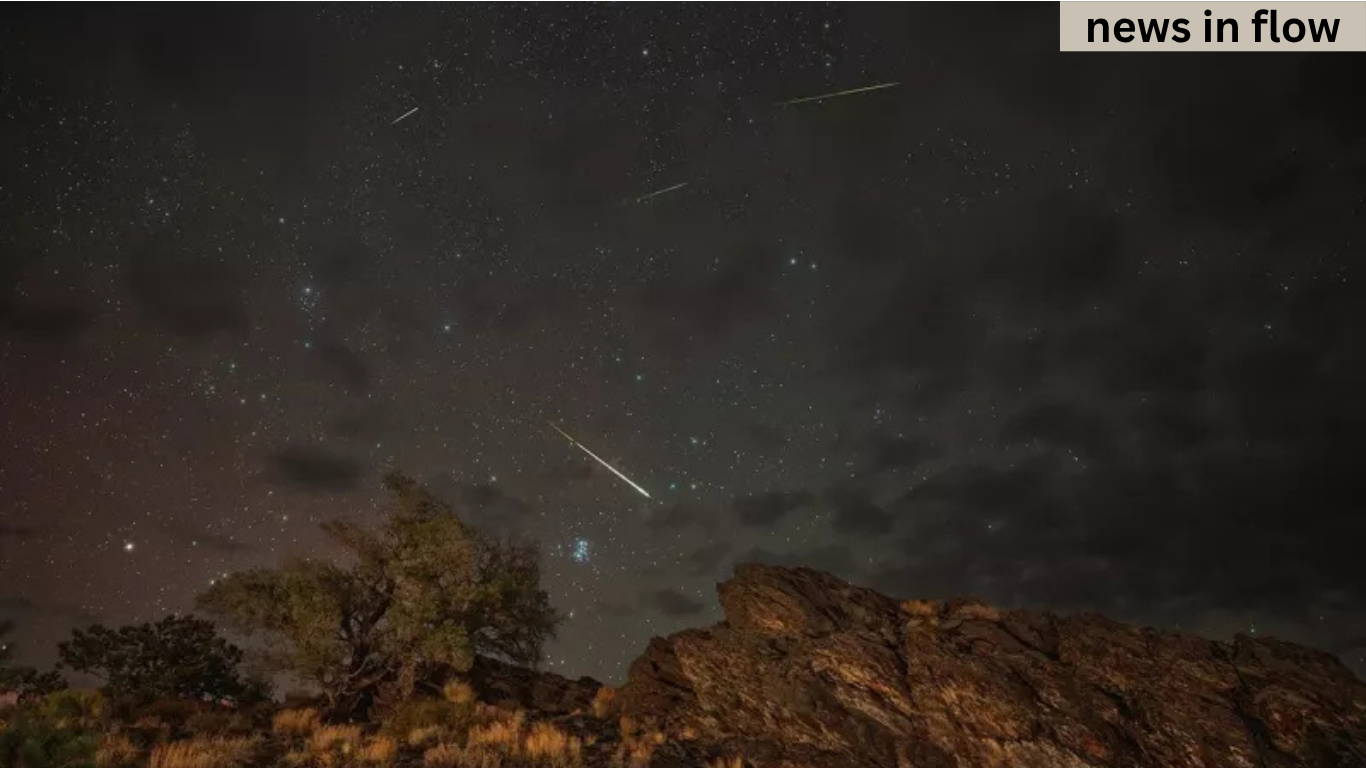
Blame It on the Moon: This Year’s Persads Meteors Won’t Shine as Bright
Blame It on the Moon: This Year’s Persads Meteors Won’t Shine as Bright .Every August, the Persads meteor shower lights up the night sky. It’s one of the most anticipated meteor showers each year. But this time, stargazers might be disappointed. The full moon will make it harder to see the meteors at their peak.
What Are the Persads Meteors?
The Persads meteor shower happens when Earth passes through debris from the Swift-Tuttle comet. These tiny bits of dust burn up in the atmosphere, creating bright streaks of light called meteors. Usually, you can see up to 60 meteors per hour during the peak night. It’s a stunning show that attracts sky watchers around the world.

Why Will the Persads Be Less Visible This Year?
The full moon will coincide with the Persads peak. A full moon lights up the night sky and washes out the faint meteors. This extra brightness makes it difficult to spot many of the smaller meteors that usually make the show spectacular.
Even the brightest meteors will be harder to see. The moonlight reduces the contrast between the meteor trails and the dark sky. As a result, the Persads won’t be as vibrant or numerous as in years without a full moon.
When Is the Best Time to Watch the Persads?
The peak of the Persads meteor shower occurs around August 11 to 13. The best viewing time is after midnight, when the radiant point in the constellation Perseus rises higher. Even with the moon’s glow, this is when you have the best chance to catch the brightest meteors.
Finding a dark spot away from city lights will improve your experience. Clear skies are a must for the best view.
Tips for Viewing the Persads This Year
Choose a Dark Location: Avoid streetlights and city glow as much as possible.
Bring Comfortable Seating: Watching the sky for hours can be tiring.
Give Your Eyes Time to Adjust: It takes about 20 minutes for your eyes to fully adapt to darkness.
Don’t Use Optical Aids: Binoculars and telescopes limit your field of view, so they aren’t helpful for meteor watching.
Check the Weather: Cloud cover can block the meteors, so plan accordingly.
Enjoy the Persads Despite the Moonlight
Even with the full moon’s interference, the Persads remain an exciting event. The meteor shower reminds us of the vastness and beauty of the universe. It encourages us to pause and look up at the sky.
This year, the moon might steal some of the show, but it won’t take away the wonder. Whether you catch one meteor or several, the Persads meteor shower is a beautiful natural spectacle worth watching.