
Trump Tariffs Could Be Thrown Out: Companies May Get Refunds, Consumers Left Behind
The Tariff Debate Returns
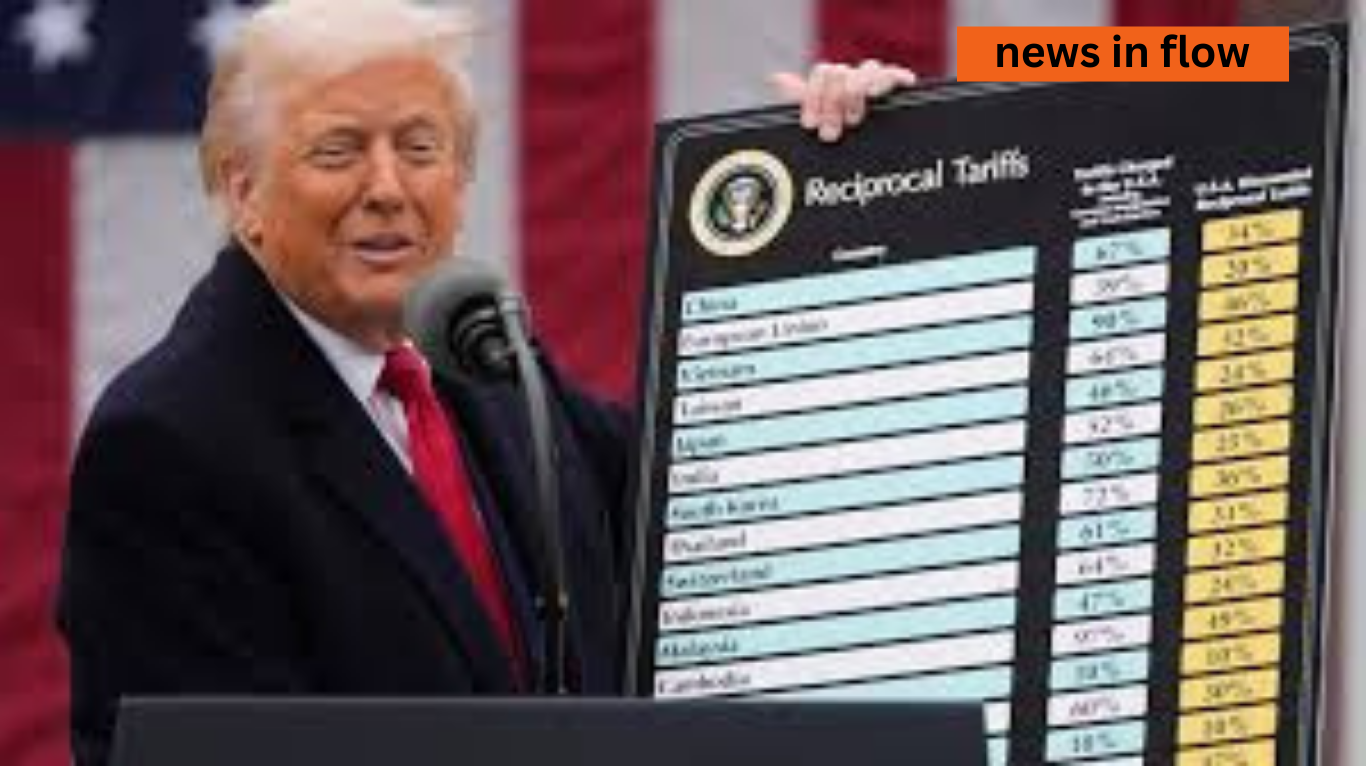
If Trump’s biggest tariffs get thrown out, companies could get a refund – but not consumers . A new debate has opened in the U.S. over tariffs introduced during Donald Trump’s presidency. If the biggest tariffs imposed on imports are thrown out, companies could receive huge refunds. But consumers who paid higher prices because of those tariffs would not see any money back.
The issue highlights the lasting impact of trade policies on both businesses and ordinary Americans. While refunds may boost corporate profits, shoppers will continue to bear the burden of years of higher costs.
How Trump’s Tariffs Worked
In 2018 and 2019, Trump placed tariffs on billions of dollars worth of goods, especially from China. The goal was to pressure foreign governments and protect American industries. Companies importing those products had to pay higher duties to U.S. Customs.
Many businesses passed those costs on to consumers. That meant everyday goods, from electronics to clothing, became more expensive. Families across the country felt the effects in their daily spending.
Why Refunds May Go to Companies
Now, several legal challenges are questioning the validity of those tariffs. If courts decide the tariffs were unlawful, importers could receive refunds for the money they paid. The system treats those companies as the direct taxpayers of the duties.
However, consumers are not eligible for refunds. Even though they paid higher prices, there is no legal path for individuals to claim compensation. The refund system benefits importers, not shoppers.
The Impact on Businesses
For large companies, refunds could mean billions of dollars returned. That money could be used to expand operations, hire workers, or increase profits. Some economists argue this would strengthen the economy. Others believe corporations will simply pocket the refunds with little benefit to workers or consumers.
Small businesses also stand to gain. Many were hit hard by tariff costs and struggled to stay competitive. Refunds could help them recover and invest in growth.

The Consumer’s Loss
For consumers, the situation is very different. Prices of many goods rose sharply during the tariff years. Families paid more for essential items but will not be reimbursed. Critics argue that this creates an unfair system where corporations benefit while ordinary people are left out.
Some experts also warn that companies may not lower prices in the future, even if tariffs are removed. That means the burden on consumers could continue.
Political and Economic Reactions
The potential refunds have sparked political debate. Supporters say the refunds would correct an economic mistake. Opponents argue that the system shows bias toward corporations at the expense of taxpayers and consumers.
Economists believe the case could also shape future trade policy. If tariffs are removed, it may signal a shift away from Trump’s trade strategy. It could also influence how the next administration handles U.S.–China relations.
Final Thoughts
The tariff story is far from over. Companies may celebrate refunds if the tariffs are ruled invalid. But for consumers, the outcome is another reminder that trade wars often leave them carrying the heaviest load.