
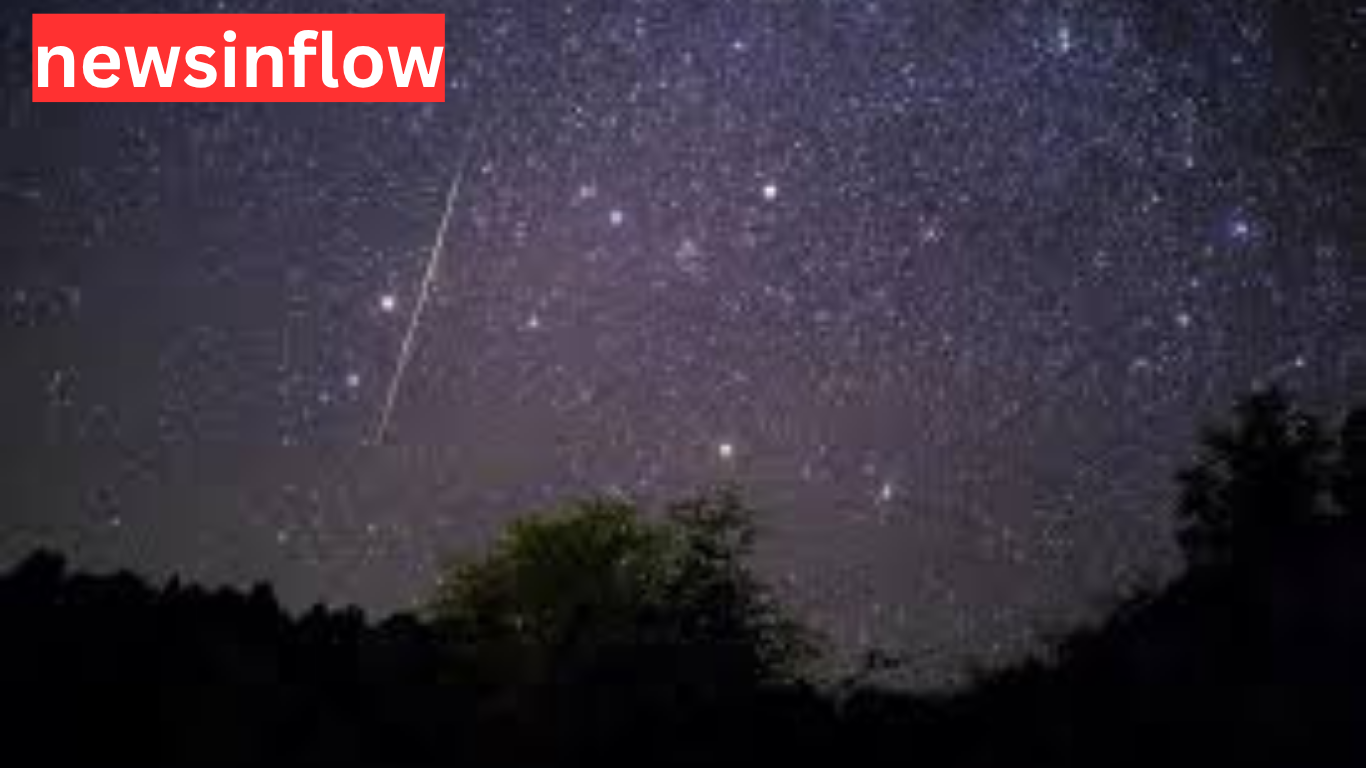
The Perseids Are Peaking Now — Here’s How To Beat The Moonlight
The Perseids are peaking now, and it’s one of the best times to witness a meteor shower. But this year, moonlight could interfere. Don’t worry. You can still catch the show with a few smart tips.

What Are the Perseids?
The Perseids are a yearly meteor shower. They happen every August. These meteors come from the debris of Comet Swift-Tuttle. When Earth passes through this trail, small particles burn up in our atmosphere. That’s what creates the bright streaks in the sky.
Each year, the Perseids bring up to 100 meteors per hour. The peak lasts a few nights, but the best time to watch is usually just before dawn.
Why Moonlight Is a Problem This Year
Unfortunately, this year’s peak comes with a bright moon. A full or nearly full moon can wash out faint meteors. It becomes harder to see the full beauty of the shower.
But don’t cancel your plans yet. There are ways to reduce the impact of moonlight and still enjoy the Perseids.
Tips To Beat the Moonlight
1. Watch During the Darkest Hours
The best time to watch is after midnight. Aim for the hours between 2 a.m. and 4 a.m. At this time, the moon is lower in the sky or may have set. The sky will be at its darkest.
2. Find a Dark Location
Avoid city lights. Drive out to a rural area or a national park. The farther you are from artificial light, the more meteors you’ll see. Trees, hills, or buildings can also help block out the moon.
3. Let Your Eyes Adjust
Give your eyes at least 20–30 minutes to adjust to the dark. Don’t look at your phone or bright lights. This helps you see even the faintest meteors.
4. Face Away From the Moon
Turn your back to the moon. Look toward the darkest part of the sky. You don’t need to face the exact radiant point of the shower. Meteors appear all over the sky.

What to Bring for the Best Experience
-
A blanket or reclining chair
-
Warm clothes (nights can get chilly)
-
Snacks and drinks
-
A red flashlight (so your night vision stays intact)
You don’t need a telescope or binoculars. In fact, the Perseids are best viewed with the naked eye.
Final Thoughts
The Perseids are peaking now, and even with moonlight, they’re worth watching. With a little planning, you can still witness dozens of shooting stars. Don’t miss one of nature’s most exciting night shows.